Batavia Street residents roll up their sleeves to save rare fynbos species
28 November 2022
Nearly a year since Bothasig residents discovered rare fynbos flowers
growing in the Batavia Street public open space, volunteers gathered at the
weekend for their fifth park clean-up and removal of invasive alien species.
Community involvement has been shown as one of the topmost contributors to protecting the immeasurable value of City parks and public open spaces.
When Bothasig residents approached the Recreation and Parks Department with a request to stop mowing an open field in their area due to the rare flowers sighted there, ecologists immediately visited the site to investigate.
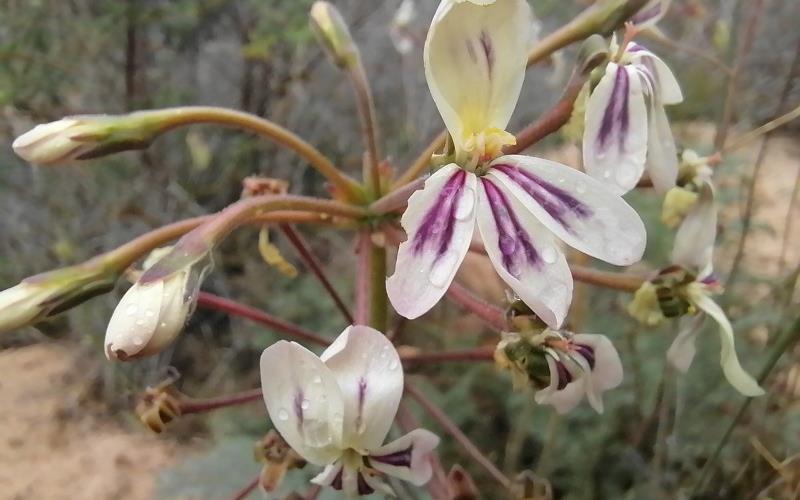
Over the past year, 18 Cape Flats Sand Fynbos flowering species have been identified on the two hectare erf, including the critically endangered Serrura aemula (strawberry spiderhead) and Aspalathus Retroflexa subsp. bicolor (Retro capegorse).
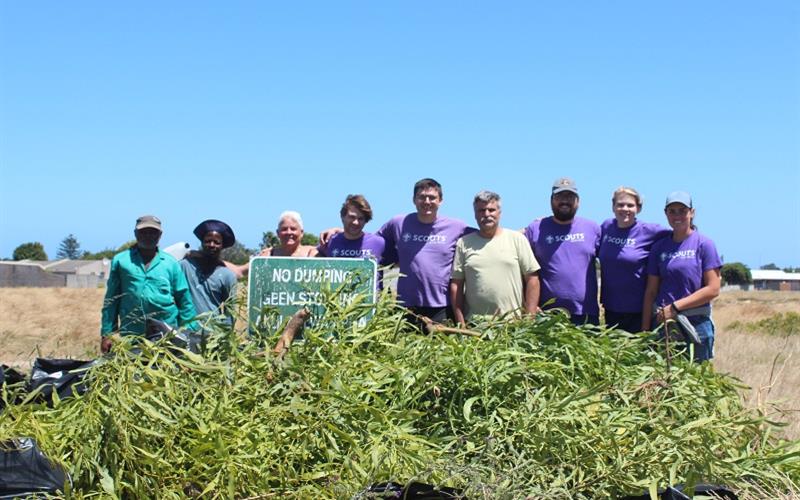
To ensure that the space remains clean and to help the rehabilitation of the indigenous species, the community has invested over 280 Man-hours on the site over the past year, with regular meet ups where more than a dozen community members spend weekend mornings removing unwanted weeds, gathering and collecting waste and identifying new fynbos species.
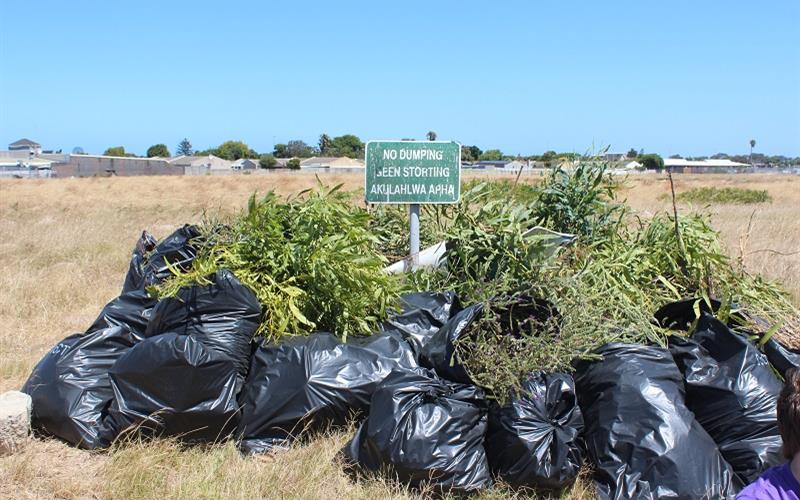
A collaborative management approach between residents and the Recreation and Parks Department has been adopted, for the continued improvement of this rare vegetation type.
'The City encourages communities to drive initiatives that they believe will enhance their parks. It builds social cohesion and attracts others to use the space for positive recreational activities. Many residents enjoy learning about the city's unique vegetation first-hand, with the added bonus of easy access in their own neighbourhoods to flora that many nature conservationists travel across the world to study,' said the Mayoral Committee Member for Community Services and Health, Councillor Patricia Van der Ross.
Cape Flats Sand Fynbos used to be one of the most common vegetation types in the city – today, it is an endangered species. Urbanisation depleted most of it and today only 11% remains, mostly in poor condition and only 1% under conservation.
Of the hundreds of species, 147 are threatened with extinction and six are already extinct.
'We commend the community members who are working so tirelessly to invest in this site. It has the potential to become a popular spot for trail running, walking and dog-walking. Volunteers have indicated that they find it a worthy cause to be able to invest their personal time and energy into the restoration of the site. The partnership with the department also allows them access to expertise. And, over time, the small changes that they're making can transform what appears to be nothing more than a sandy patch today, into an inviting conservation hub,' added Councillor van der Ross.
End
Published by:
City of Cape Town, Media Office